How Do You Know If You're Ready For Robot Vacuum Cleaner Self Emptying
The Rise of Self-Emptying Robot Vacuum Cleaners: A Game-Changer in Smart Home Cleaning Recently, robot vacuum have gone from being a futuristic high-end to a daily household vital, easing the lives of millions by taking over one of the most mundane chores— vacuuming. These autonomous devices navigate homes with precision, getting dust, dirt, and particles with very little human intervention. Nevertheless, one substantial constraint remained: by hand emptying the dustbin after nearly every cleaning session. Go into the game-changing development: self-emptying robot vacuum cleaners. These sophisticated cleaning devices not only vacuum your floors but likewise empty their dustbins instantly into a bigger bin or base station, making them a lot more hassle-free and efficient. Let's check out how these marvels of modern-day innovation work, their benefits, and why they're ending up being significantly popular in homes around the world. How Do Self-Emptying Robot Vacuums Work? Self-emptying robot vacuums run much like standard robot vacuum, utilizing sensors and algorithms to navigate your home, preventing challenges and cleaning various surface areas. Nevertheless, their standout feature is their ability to empty the contents of their integrated dustbin into a separate docking station, usually called a “self-emptying base” or “cleaning base.” This base station is geared up with a bigger disposable bag or washable dustbin that can hold weeks' worth of dirt and particles, removing the need for regular manual emptying. When the robot vacuum finishes a cleaning cycle or senses that its onboard dustbin is complete, it goes back to the base station. At the dock, effective suction within the base efficiently transfers the particles from the vacuum's dustbin into the bigger container. When cleared, the robot is prepared for its next cleaning session. Benefits of Self-Emptying Robot Vacuum Cleaners Increased Convenience With conventional robot vacuums, you 'd have to empty the dustbin after every one or more cleaning sessions, especially if you have a larger home or family pets that shed greatly. Self-emptying designs resolve this problem by automatically transferring the debris, lowering the frequency of your participation. Hygienic Cleaning Manually emptying a vacuum bin can release dust and allergens back into the air. Self-emptying systems are designed to reduce this exposure, often using sealed bags with HEPA filters to trap particles successfully, making them an outstanding choice for allergy sufferers. Time-Saving For busy households, the self-emptying feature suggests you can go weeks without considering your vacuum. It's the ultimate “set it and forget it” solution for keeping clean floors. Pet-Friendly Solution For pet owners, who often handle fur, dander, and occasional accidents, self-emptying vacuums are a lifesaver. They can deal with the extra debris created by pets without needing continuous upkeep. Suitable for Larger Homes Larger spaces generate more dirt and dust. A robot vacuum with a self-emptying function can clean multiple rooms more efficiently because it doesn't require to stop mid-cycle for manual dustbin emptying. Popular Models on the Market Numerous manufacturers have presented self-emptying robot vacuums, each offering unique features and benefits. Here are a few notable choices: iRobot Roomba i7+ and s9+. The leaders of self-emptying innovation, iRobot's designs feature the “Clean Base” dock, which can hold up to 30 days of dirt and uses allergen-lock bags to trap dust efficiently. Shark IQ Robot Self-Empty XL. Shark's self-emptying vacuum offers a bagless base station, making it a more environment-friendly option for those who prefer to prevent disposable bags. Roborock S7 MaxV Ultra. Understood for its sophisticated mopping and vacuuming abilities, Roborock's self-emptying models consist of a flexible dock that can manage vacuum dustbins and water tanks for its mopping feature. Ecovacs Deebot X1 Omni. For a true all-in-one solution, the Deebot X1 Omni not only self-empties however likewise washes and dries its mopping pads for totally hands-free maintenance. Things to Consider Before Buying. While self-emptying robot vacuums offer unbelievable benefit, they include a few considerations:. Rate. These models are more pricey than basic robot vacuums, so examine your spending plan and needs before making the investment. self emptying robot vacuum . Although the base station decreases your involvement, you'll still require to replace the bags (or clean the washable bin) and maintain the robot and base to guarantee ideal efficiency. Space Requirements. The self-emptying base station is bulkier than traditional charging docks, so you'll require to set aside appropriate space in your home. Compatibility. Inspect whether the vacuum's app and functions are compatible with your clever home community, such as Alexa, Google Assistant, or Apple HomeKit, for seamless combination. The Future of Cleaning. 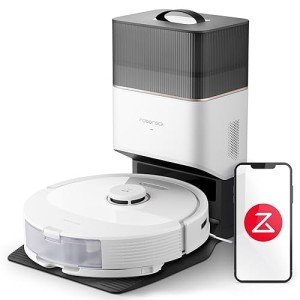 The introduction of self-emptying robot vacuum cleaners represents a considerable leap forward in home automation. As innovation continues to develop, we can expect even more advanced functions, such as self-cleaning rollers, improved AI navigation, and much better integration with other clever home gadgets. These vacuums are laying the foundation for a totally self-governing cleaning experience, allowing house owners to recover a lot more of their time. In conclusion, self-emptying robot vacuums are not simply gizmos— they're solutions designed to make our lives easier and our homes cleaner. As they end up being more accessible and budget friendly, it's safe to state they represent the future of smart, efficient cleaning for families all over. Whether you're a tech lover, a hectic professional, or a pet owner, this innovation may simply be the upgrade your home needs.